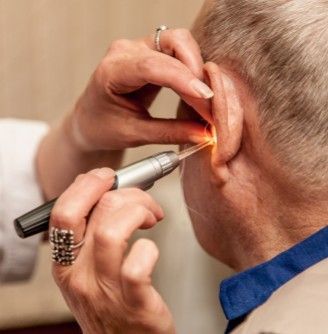
The signs you need a hearing test are not always dramatic or immediately obvious. Hearing changes often develop gradually, allowing people to adapt without realizing how much sound or conversation they may be missing. You might begin turning up the television, asking others to repeat themselves, or struggling to follow discussions in crowded environments. These experiences do not automatically mean that you have significant hearing loss, but they can indicate that it is time for a professional evaluation.
At Padgett Hearing Aid Center, we encourage individuals to view hearing testing as a routine and proactive part of maintaining their overall communication, confidence, and quality of life.
What This Guide Covers
- The most common signs you need a hearing test, from subtle to obvious.
- Everyday situations, like restaurants, phone calls, and driving, where hearing changes tend to show up first.
- Why family members often notice hearing changes before you do.
- What actually happens during a professional hearing evaluation.
- Why testing early, even with mild symptoms, is worth doing.
What Are the Signs You Need a Hearing Test?
Many people assume they only need a hearing test when sounds become noticeably faint. In reality, hearing difficulties can appear in several ways, including problems with clarity, speech understanding, sound localization, and listening comfort. A person may hear that someone is speaking but struggle to understand the individual words being said. This is especially common when conversations include higher-pitched voices or when background noise is present. Recognizing these subtle changes can help you seek professional guidance before communication problems become more disruptive.
You may want to schedule a hearing evaluation if you frequently experience any of the following:
- Asking people to repeat themselves.
- Feeling that others mumble or speak unclearly.
- Turning up the television, radio, or phone volume.
- Having difficulty understanding conversations in restaurants.
- Missing doorbells, alarms, timers, or phone notifications.
- Struggling to hear children or people with higher-pitched voices.
- Feeling exhausted after social events or extended conversations.
- Avoiding gatherings because listening has become frustrating.
- Having trouble determining where a sound is coming from.
- Hearing ringing, buzzing, or other sounds that are not externally present.
One isolated incident may not be a reason for concern. However, a repeated pattern of communication problems deserves attention. A professional hearing evaluation can identify whether your difficulty is related to hearing sensitivity, sound-processing challenges, earwax buildup, an ear condition, or another factor that may require additional medical attention.
Common Signs You Need a Hearing Test
One of the most common indicators of hearing changes is difficulty understanding speech. You may notice that voices sound less distinct, particularly when someone is speaking from another room or facing away from you. Certain consonants, such as "s," "f," "th," and "sh," may become harder to distinguish because they are higher-frequency sounds. This can make words seem incomplete or cause sentences to sound confusing, even when the speaker's volume is adequate. As a result, you may rely more heavily on facial expressions, lip movements, and context to understand what is being said.
Age-related and noise-induced hearing changes commonly affect higher frequencies first, which is why softer consonants disappear before overall volume seems to drop.
Changes in volume preferences can also be significant. If family members regularly tell you that the television is too loud, your preferred listening level may have increased gradually. You might also hold your phone closer to one ear, use speakerphone more often, or raise the volume on headphones beyond your previous setting. These behaviors can become habits, making them easy to overlook. Comparing your preferred volume with the preferences of others may provide a useful clue that your hearing has changed.
Another sign is increased listening effort. Following a conversation should not require constant concentration, guessing, or mental reconstruction. If you feel unusually tired after meetings, family gatherings, or phone calls, your brain may be working harder to fill in missing information. Listening fatigue can lead to irritability, reduced participation, and difficulty staying engaged. A hearing evaluation can help determine whether hearing changes are contributing to that effort.
Everyday Listening Problems That May Signal Hearing Changes
Hearing challenges are often most noticeable in ordinary situations rather than in completely quiet rooms. If you frequently lose track of conversations in the situations below, it may be time to have your hearing checked.
| Situation | What You Might Notice |
|---|---|
| Restaurants & group settings | Trouble following conversation when multiple people are speaking, since background noise competes with speech. |
| Phone & video calls | Certain voices are harder to understand without visual cues; you may switch ears or turn up the volume. |
| Driving | Difficulty hearing turn signals, warning sounds, sirens, or passengers, especially with road noise or music playing. |
| Workplace meetings | Missing instructions or names, sitting closer to speakers, or requesting written follow-ups more often. |
Telephone conversations can reveal hearing difficulties as well. During a phone call, you cannot rely on visual cues such as facial expressions or lip movements. Repeated misunderstandings during calls are worth discussing with a hearing care professional.
Driving presents another situation in which hearing changes may become apparent. Although vision remains the primary sense used for driving, hearing supports awareness of the surrounding environment. Difficulty noticing important sounds can create frustration and may affect your sense of confidence behind the wheel.
Workplace communication problems should also be taken seriously. Missing instructions, misunderstanding names, or struggling to follow group discussions can affect productivity and professional confidence. These strategies can be helpful, but they may also indicate that you are compensating for an underlying hearing difficulty. A hearing test can provide objective information and help you explore practical solutions.
When Family Members Notice Hearing Problems First
Family members and close friends often notice hearing changes before the individual experiencing them. Because hearing changes may develop slowly, the brain and daily routines can adjust over time. A spouse may notice that you are increasing the television volume, responding incorrectly to questions, or missing comments made from another room. Children or coworkers may notice that they have to repeat themselves more frequently. These observations can be valuable, even when they are initially difficult to hear. Many of these patterns overlap with the early signs of hearing loss that develop so gradually they are easy to miss from the inside.
It is common for people to attribute communication problems to mumbling, poor acoustics, soft voices, or background noise. Those factors can certainly make listening more difficult, but repeated concerns from several people should not be dismissed. Family members may also notice that you seem less engaged during social gatherings or that you withdraw when conversations become complicated. What appears to be a distraction or disinterest may actually be the result of difficulty hearing clearly.
We encourage families to approach the subject respectfully and without criticism. Hearing changes are common, and an evaluation is simply a way to gather information. Scheduling a test does not commit anyone to hearing aids or a specific treatment. It provides a clearer understanding of what is happening and what options, if any, may be appropriate.
What to Expect From a Professional Hearing Evaluation
A professional hearing evaluation is designed to assess how well you hear different sounds and understand speech. The appointment typically begins with a discussion of your hearing concerns, medical history, noise exposure, medications, communication needs, and lifestyle. We may ask when you first noticed a change and which listening environments are most difficult. These details help us understand how hearing concerns affect your daily life. If you have wondered how this differs from a quick screening, our breakdown of hearing test vs. hearing screening explains what each type of appointment involves.
The ears may be examined to check for visible concerns such as impacted earwax, irritation, or an obstruction. Depending on the provider and the type of appointment, several listening assessments may then be completed. You may be asked to respond when you hear tones at different pitches and volume levels. Speech testing may also be used to determine how clearly you recognize words under controlled conditions. A hearing instrument specialist can walk you through exactly what each part of the appointment involves.
Your evaluation may assess:
- The softest sounds you can hear at different frequencies.
- Whether one ear hears differently from the other.
- How clearly you understand spoken words.
- How well you recognize speech at comfortable volume levels.
- Whether middle-ear function may be affecting hearing.
- Whether the results suggest that medical follow-up is appropriate.
The results are usually displayed on an audiogram, which is a chart showing hearing sensitivity across a range of frequencies. We will explain what the findings mean in practical terms. Rather than focusing only on numbers, we connect the results to your real-world concerns, such as hearing the television, following conversations, or understanding speech in noisy settings. If a hearing change is identified, we can discuss appropriate next steps based on its type, degree, and effect on your daily activities.
Why Early Hearing Checks Matter
Early hearing checks establish a baseline that can be compared with future results. Even when hearing is currently within an expected range, baseline information can help us identify changes more accurately later. This can be especially useful for people who work around loud machinery, attend frequent concerts, use power tools, hunt, or participate in other activities involving significant noise exposure. Our custom hearing protection options can help reduce that risk going forward. Regular evaluations may also be helpful for adults who have noticed gradual communication changes.
of U.S. adults ages 20 to 69 show features in their hearing test results suggestive of noise-induced hearing loss, according to NIDCD research based on national health survey data.
Addressing hearing concerns early can reduce unnecessary frustration. When people struggle to understand conversation, they may begin avoiding restaurants, meetings, phone calls, and social gatherings. Over time, these changes can affect relationships and participation in activities they previously enjoyed. A timely evaluation can clarify whether hearing loss is contributing to the problem and identify strategies that may improve communication.
Early testing also allows hearing care professionals to recognize situations that require referral to another healthcare provider. Sudden hearing changes, ear pain, drainage, significant dizziness, or a pronounced difference between the ears may require prompt medical evaluation. A hearing test is not a substitute for a medical diagnosis, but it can provide important information and help direct the next step.
If hearing aids are appropriate, beginning the process earlier may make it easier to adapt to amplified sound and new listening strategies. Modern hearing technology can be programmed according to individual test results and communication needs. Our hearing aid options include discreet styles that are less noticeable than many people expect. However, recommendations should always be based on a complete evaluation rather than assumptions about age or symptoms.
Frequently Asked Questions
How often should adults have their hearing tested?
Testing frequency depends on age, symptoms, medical history, and noise exposure. Adults with no noticeable concerns may benefit from periodic baseline testing, while those with hearing changes or ongoing noise exposure may need more frequent evaluations.
Do I need a hearing test even if I can hear most sounds?
Yes. Some people can hear sounds but have difficulty understanding speech clearly, especially in background noise. A professional evaluation measures more than general sound awareness.
Does asking people to repeat themselves mean I have hearing loss?
Not necessarily, but frequent repetition requests are one of the common signs that an evaluation may be helpful. Testing can determine whether hearing changes are contributing to the problem.
What if only one ear seems affected?
A noticeable difference between ears should be professionally evaluated. Uneven hearing may affect sound localization and speech understanding and may sometimes require medical follow-up.
Is ringing in the ears a reason to schedule a hearing test?
Yes. Ringing, buzzing, or similar sounds are commonly described as tinnitus and may occur with or without measurable hearing loss. A hearing evaluation can provide useful information about your hearing levels.
Are hearing tests uncomfortable?
Hearing evaluations are generally comfortable and noninvasive. You will typically listen to tones or speech and respond when you hear them.
Will I be required to purchase hearing aids after a test?
No. A hearing test provides information about your hearing. Any recommendations should be explained clearly so you can make an informed decision based on your needs.
Can earwax cause hearing difficulties?
Yes. A significant earwax blockage can reduce sound transmission and create a plugged sensation. An ear examination can help determine whether wax or another visible issue may be contributing to your symptoms.
What symptoms require faster medical attention?
Sudden hearing loss, severe ear pain, drainage, intense dizziness, or rapid changes in one ear warrant prompt medical attention. Do not wait for a routine appointment when symptoms appear suddenly or severely.
Schedule a Professional Hearing Evaluation
You do not have to wait until hearing difficulties become severe before seeking answers. If conversations seem less clear, background noise has become harder to manage, or loved ones have expressed concern, a professional hearing evaluation can provide valuable information. At Padgett Hearing Aid Center, we take the time to understand your listening needs, evaluate your hearing, and explain your results in clear, practical terms.
Since 1979, we have offered our patients the chance to hear clearly once again. Advances in hearing technology allow us to provide sophisticated hearing aids and other hearing solutions that can be discreet, comfortable, and carefully programmed for each individual.
Contact Padgett Hearing Aid Center to schedule your professional hearing evaluation at our Brenham, Bastrop, Katy, or Texarkana office today.