
HEARING AID REPAIR
When your hearing aids are not working the way they should, the problem can affect your entire day. Weak sound, distorted speech, intermittent performance, battery trouble, feedback, moisture damage, or a broken piece can make it harder to communicate clearly and feel confident in everyday situations.
At Padgett Hearing Aid Center, we provide hearing aid repair support for patients who need fast, professional help with devices that are malfunctioning, inconsistent, damaged, or no longer performing as expected.
We understand how important your hearing aids are to your daily comfort, safety, and independence. Our goal is to identify the issue, explain your options clearly, and help you get back to better hearing as efficiently as possible.
In many cases, a device problem can be resolved with professional cleaning, maintenance, replacement parts, programming adjustments, or manufacturer repair. In other situations, the issue may point to a change in your hearing, aging technology, or damage that makes replacement a more practical recommendation.
We take the time to evaluate your hearing aids, listen to your concerns, and recommend the next step that best supports your hearing needs.
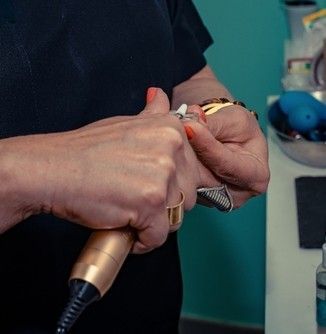
Hearing Aid Repair for Common Device Problems and Performance Issues
Hearing aids are small, advanced devices that work in a wide range of environments. Because they are worn daily, they are exposed to earwax, moisture, heat, skin oils, dust, accidental drops, and routine wear. Over time, these factors can interfere with sound quality, comfort, and performance.
Our hearing aid repair services are designed to address common problems and help determine whether your device can be restored to proper function.
Some of the most common concerns we help evaluate include:
• Weak volume
• Muffled sound
• No sound
• Whistling or feedback
• Static
• Inconsistent performance
• Short battery life
• Charging issues
• Broken tubing
• Damaged receivers
• Clogged wax guards
• Loose earmolds
• Cracked shells
• Controls that no longer respond correctly
Sometimes a hearing aid that seems broken simply needs a detailed cleaning or a small part replaced. Wax buildup is one of the most frequent causes of reduced sound. Moisture can also affect internal components, especially if the device has been exposed to humidity, sweat, rain, or accidental water contact.
A battery door, receiver wire, dome, earmold, or microphone port issue may also make a device seem weaker than it actually is.
During a repair evaluation, we look at the device carefully and test its function so we can separate simple maintenance needs from more serious repair concerns. We also consider how long you have had the hearing aids, whether they are under warranty, how often the problem occurs, and whether the issue affects one or both devices.
What to Expect During a Hearing Aid Repair Appointment
When you visit us for a hearing aid repair appointment, we begin by asking what you have noticed and when the issue started. Your experience gives us important clues.
For example, a device that suddenly stopped working after cleaning may have a blocked filter, while a device that has gradually become weaker may need cleaning, part replacement, or reprogramming. A device that works only part of the time may have a moisture issue, battery problem, loose connection, or internal component concern.
We then inspect the hearing aid, check visible parts, review the fit, and test performance. Depending on the type of device and the issue, we may be able to clean it, replace small parts, remove debris, check the microphone and receiver areas, replace a wax guard, evaluate the battery or charging system, or make programming adjustments.
If your device requires repair beyond what can be completed in our office, we will explain the next steps and whether manufacturer service may be needed. We want you to feel informed throughout the process.
During your visit, we may review:
• The symptoms you are experiencing
• How often the problem happens
• Whether the device has been exposed to moisture or impact
• The age and warranty status of your hearing aids
• Whether both devices are affected
• Whether your hearing has changed
• Whether repair, reprogramming, or replacement is the better option
Our team is here to make the process clear, efficient, and focused on restoring your ability to hear as comfortably as possible.

Fast Support for Sound, Battery, and Physical Damage Concerns
When hearing aids stop performing correctly, waiting too long for help can make communication stressful. We encourage patients to contact us as soon as they notice a problem, especially if the device is producing no sound, the volume is much weaker than usual, or the hearing aid has visible damage.
Fast attention can often prevent a small issue from becoming a larger one.
Sound concerns can appear in many ways. You may notice that voices sound muffled, high-pitched sounds are missing, one device is louder than the other, or background noise feels more distracting than usual.
These issues may be caused by a blocked sound outlet, a clogged microphone, a damaged receiver, a poor physical fit, or programming that needs adjustment.
Battery and charging concerns are also common. A disposable battery may drain quickly if the device is working harder than normal, if the battery door is not closing properly, or if moisture is affecting the internal system.
Rechargeable hearing aids may need attention if they are not holding a charge, are not seating properly in the charger, or are not turning on after charging.
Physical damage should always be evaluated professionally. A cracked shell, loose wire, broken earmold, damaged dome, missing battery door, or device that was dropped or stepped on may still be repairable, but continued use could make the problem worse.
We can inspect the device and help you understand whether it is safe to use, whether a part can be replaced, or whether it should be sent for repair.
Prompt support is especially important if you rely on your hearing aids for work, driving, caregiving, medical appointments, family conversations, or social activities.
Common Signs Your Device Needs Professional Attention
It is not always obvious when a hearing aid needs repair. Some problems start gradually, while others happen suddenly. We recommend scheduling service if your device no longer sounds clear, feels unreliable, or requires repeated troubleshooting at home.
You should contact us if you notice any of the following signs:
• Sound is weak, muffled, distorted, or missing
• The hearing aid turns on and off unexpectedly
• The device whistles or produces feedback more often than usual
• Batteries drain faster than expected
• A rechargeable device will not hold a charge
• The hearing aid has been exposed to moisture
• The shell, wire, tube, dome, earmold, or battery door is damaged
• One hearing aid sounds different from the other
• Voices are suddenly harder to understand
• The device feels uncomfortable or does not sit securely
• Volume or program controls are not working
• Cleaning at home does not improve performance
These symptoms do not always mean the device is permanently damaged. Many hearing aid repair concerns can be resolved with professional cleaning, replacement parts, or fine-tuning.
However, they are worth addressing quickly because untreated device problems can make listening more tiring and may cause you to stop wearing your hearing aids consistently.
Consistent use is important for hearing success, so our priority is to help your technology remain comfortable, reliable, and useful in daily life.
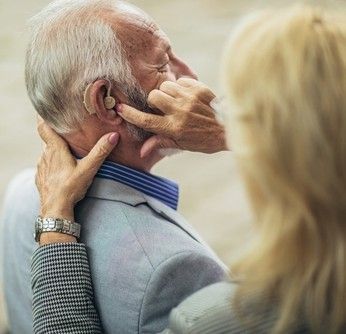
When to Repair, Reprogram, or Replace a Hearing Device
Not every hearing aid problem requires the same solution. Sometimes repair is the right answer. Sometimes reprogramming is needed. In other cases, replacement may provide better long-term value and performance.
At Padgett Hearing Aid Center, we help you understand the difference so you can make an informed decision.
Repair may be recommended when the device has a clear mechanical or component issue, such as a broken receiver, clogged wax system, damaged tubing, faulty battery door, cracked piece, or internal malfunction that can be corrected.
If your hearing aids are still relatively current, functioning well overall, and compatible with your hearing needs, repair may be a practical option.
Reprogramming may be recommended when the device works properly but no longer sounds right for your hearing. Hearing can change over time, and your hearing aid settings may need to be adjusted to match your current needs.
You may also need reprogramming if you are struggling in specific environments, such as restaurants, meetings, church services, family gatherings, phone calls, or television listening.
Replacement may be recommended when repairs are no longer cost-effective, the technology is outdated, the device cannot provide enough support for your hearing loss, parts are difficult to obtain, or repeated repairs are becoming frustrating.
If your hearing aids are several years old, newer technology may offer improved sound processing, comfort, background noise management, rechargeability, connectivity, and overall reliability.
We do not believe in recommending replacement before understanding the problem. We evaluate the device, discuss your listening goals, and explain whether repair, adjustment, or new technology is the most appropriate path.
How Hearing Aid Repair Can Restore Daily Listening Confidence
Reliable hearing aids make everyday life easier. When your devices are working well, conversations feel less stressful, familiar voices are clearer, and you can participate more comfortably in the moments that matter.
Hearing aid repair can restore that sense of confidence by improving sound consistency, comfort, clarity, and device dependability. Even small issues can have a major impact on your listening experience. A clogged wax guard can make speech sound distant. A weak receiver can reduce clarity. A loose fit can create feedback. A battery issue can make you worry that your hearing aids will stop working at the wrong time.
Professional service helps reduce uncertainty and gives you a clearer plan for maintaining your devices. We also use repair appointments as an opportunity to educate patients on proper care. Regular cleaning, safe storage, moisture protection, and timely replacement of small parts can help extend the life of your hearing aids and reduce avoidable problems.
Our team can show you how to clean your devices properly, when to change wax guards or domes, how to protect them from moisture, and what signs suggest you should schedule professional service. The goal is not only to fix the immediate problem, but also to help you feel more confident using your hearing aids every day. When your devices are dependable, you can focus more on conversations and less on whether your technology will perform.

Frequently Asked Questions About Hearing Aid Cleaning & Repair
Can a hearing aid that stopped working be repaired?
In many cases, yes. A hearing aid that stops working may have a blocked wax guard, a dead battery, a charging issue, a moisture problem, a damaged receiver, or an internal malfunction. We can inspect the device and determine whether the issue can be resolved in our office or requires manufacturer repair.
Why does my hearing aid sound weak or muffled?
Weak or muffled sound is often caused by wax buildup, a clogged microphone or receiver, moisture, poor fit, or a part that needs replacement. It may also mean your hearing has changed, and your settings need to be updated.
What should I do if my hearing aid gets wet?
Turn it off, remove the battery if applicable, and avoid using heat such as a hair dryer. Contact us for professional guidance. Moisture can damage delicate internal components, so it is best to have the device evaluated.
How do I know if I need repair or reprogramming?
Repair is usually needed when the device has a physical or mechanical problem. Reprogramming may be needed when the device works but no longer provides clear, comfortable sound. We can evaluate both the device and your listening concerns to recommend the right solution.
Is it worth repairing an older hearing aid?
It depends on the age of the device, the repair cost, warranty status, availability of parts, and whether the hearing aid still meets your hearing needs. If repairs are frequent or the technology is outdated, replacement may be a better long-term option.
Can you help with hearing aid batteries or charging problems?
Yes. We can help troubleshoot disposable battery issues, rechargeable hearing aid concerns, charger problems, and devices that drain power too quickly. We will check the device and charging system to identify the likely cause.
How often should hearing aids be professionally cleaned?
Many patients benefit from routine professional cleanings, especially if they produce a lot of earwax or wear their devices every day. Regular maintenance can help prevent sound issues and reduce the need for unexpected hearing aid repair.
What should I bring to my repair appointment?
Bring your hearing aids, charger if you use rechargeable devices, any accessories, and a description of the problem. It also helps to tell us when the issue started and whether it happens all the time or only in certain situations.
Call Padgett Hearing Aid Center for Hearing Aid Repair Support
If your hearing aids are weak, inconsistent, damaged, or not working at all, we are here to help. Contact us to schedule a hearing aid repair appointment.
We will evaluate your device, explain what may be causing the issue, and recommend the next step based on your technology, hearing needs, and long-term listening goals.
Whether your hearing aids need cleaning, repair, reprogramming, replacement parts, or a discussion about updated technology, our team is ready to provide professional support.
Call us today to get help with your hearing aids and take the next step toward clearer, more dependable hearing.