
HEARING TEST
Hearing Test Appointments for Clear Answers About Your Hearing
When you are ready for more than a quick screening, a professional hearing test can give you the clarity you need to understand what is happening with your hearing and what steps may help. At Padgett Hearing Aid Center, we provide hearing care with a careful, personal approach, because hearing concerns can affect conversations, relationships, work, safety, and everyday confidence. Our goal is to help you understand your hearing in a meaningful way, not simply tell you whether you passed or failed a basic check.
A hearing test is a comprehensive evaluation designed to measure how well you hear different sounds, pitches, and speech. It helps us identify whether hearing loss is present, how significant it may be, and which listening situations are most likely to be affected. These results also help us determine whether hearing aids, hearing protection, monitoring, medical referral, or another care recommendation may be appropriate.
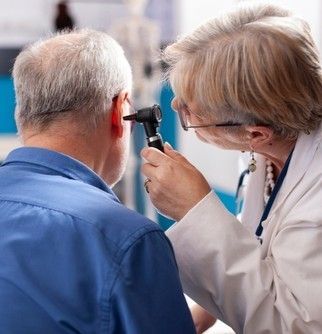
Many people wait longer than they need to before scheduling an appointment. Hearing changes often happen gradually, so it can be easy to adjust without realizing how much effort listening has started to require. You may turn up the television, ask people to repeat themselves, avoid noisy restaurants, or feel tired after conversations. A diagnostic hearing test helps turn those everyday frustrations into clear information.
During your appointment, we take time to listen to your concerns, review your hearing history, and complete testing that gives us a detailed picture of your hearing ability. We want you to leave with answers, not confusion. Whether you are exploring hearing aids for the first time, checking on changes in your hearing, or looking for guidance for a loved one, we are here to help you move forward with confidence.
What Happens During a Hearing Test at Your Appointment
A hearing test appointment is designed to be comfortable, informative, and focused on your individual needs. We begin by talking with you about what you have noticed. This conversation is an important part of the process because your daily listening experiences help us understand the real-life impact of your hearing concerns.
We may ask questions such as:
• When did you first notice difficulty hearing?
• Do you struggle more in noisy places, on the phone, or during group conversations?
• Do family members mention that the television or radio is too loud?
• Have you experienced ringing, buzzing, or other sounds in your ears?
• Have you worn hearing aids before?
• Are there specific listening goals that matter most to you?
After learning more about your concerns, we complete testing to evaluate how your hearing system is responding to sound. A comprehensive hearing test often includes listening for tones at different pitches and volumes, as well as speech testing to see how clearly you understand words. These results help us identify the softest sounds you can hear and how well you process speech in a controlled setting.
We also take time to explain what the test measures. Hearing loss is not always the same from person to person. Some people hear low-pitched sounds well but struggle with higher-pitched speech sounds. Others can hear that someone is talking, but have difficulty understanding the words clearly. These differences matter because they affect how we make treatment recommendations.
A diagnostic appointment is especially valuable because it gives us more information than a simple screening. A screening may indicate whether you should be evaluated further, but a full hearing test helps define the type and degree of hearing difficulty. That level of detail is what allows us to make practical recommendations based on your needs.
When a Comprehensive Evaluation Is the Right Next Step
A comprehensive hearing test is the right next step when you want clear answers about ongoing hearing concerns. It is also appropriate when a loved one has noticed changes, when you are considering hearing aids, or when previous hearing technology no longer seems to be helping as much as it once did.
You should consider scheduling a hearing test if you notice any of the following:
• You frequently ask people to repeat themselves.
• You hear speech but have trouble understanding words.
• Conversations are harder in restaurants, meetings, church, or family gatherings.
• You turn the television, radio, or phone volume higher than others prefer.
• You avoid social situations because listening feels frustrating.
• You feel tired after trying to follow conversations.
• You have ringing, buzzing, or noises in your ears.
• You have a history of noise exposure at work, through hobbies, or during military service.
• You already wear hearing aids but feel they need adjustment.
• A family member has encouraged you to have your hearing checked.
Hearing changes can affect more than volume. Many people assume hearing loss means everything sounds quieter, but it often affects clarity first. You may hear someone speaking but miss parts of certain words, especially when there is background noise. This can make conversations feel incomplete or cause misunderstandings. A hearing test helps us identify why that is happening.
Scheduling an appointment is also important if you are experiencing a change in one ear, sudden hearing difficulty, dizziness, ear pain, drainage, or other symptoms that may require medical attention. While we provide hearing evaluations and hearing care recommendations, some concerns may need to be reviewed by a physician or another medical provider. If we identify something that falls outside routine hearing aid care, we can guide you toward the appropriate next step.
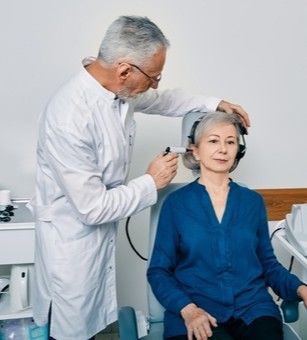
Who Should Schedule a Hearing Test for Hearing Concerns
A hearing test is appropriate for adults of many ages and backgrounds. You do not need to have severe hearing loss to benefit from an evaluation. In fact, many people schedule a hearing test because they are in the early stages of noticing changes and want to make informed decisions before the problem becomes more disruptive.
We encourage an appointment for anyone who feels that listening is becoming more difficult, even if the changes seem mild. Early evaluation can help establish a baseline for future comparison. It can also help you understand whether your hearing is within a normal range or whether treatment may improve your comfort and communication.
A hearing test may be especially helpful for:
• Adults who work in noisy environments.
• Retirees who want to stay active and engaged.
• People who frequently attend meetings, church services, or group events.
• Individuals with a family history of hearing loss.
• Current hearing aid users who need updated testing.
• Caregivers helping a spouse, parent, or loved one.
• Anyone who wants a more complete answer than a screening can provide.
Loved ones often notice hearing changes before the person experiencing them does. This is not unusual. When hearing changes gradually, the brain adapts, and people may not realize how many sounds or speech details they are missing. Family members may notice repeated questions, missed comments, or increased volume levels. A hearing test helps bring objectivity to those concerns.
We approach these conversations with respect and professionalism. Hearing care is personal, and we understand that scheduling an appointment can feel like a big step. Our role is not to pressure you. Our role is to evaluate your hearing, explain your results clearly, and help you understand your options.
Understanding Hearing Changes, Results, and Treatment Options
Once your hearing test is complete, we review your results with you in straightforward language. We want you to understand what the findings mean, how they relate to your daily life, and what choices are available. A hearing test is most useful when the results are explained clearly and connected to practical recommendations.
Your results may show that your hearing is within a normal range, that you have mild changes to monitor, or that hearing aids may be beneficial. They may also show that one ear hears differently than the other or that certain speech sounds are more difficult for you to detect. These details help us personalize care.
We may explain your results by reviewing:
• The pitches and volumes you can hear.
• How your hearing compares between ears.
• How clearly you understand speech.
• Which listening environments may be most challenging.
• Whether hearing aids may improve speech clarity.
• Whether follow-up care or referral may be recommended.
Hearing loss can affect communication in subtle ways. High-pitched sounds often include important speech details, such as consonants that help distinguish one word from another. When those sounds are harder to hear, speech may seem muffled even when voices are loud enough. This is one reason turning up the volume does not always solve the problem. A hearing test helps identify these patterns so we can recommend care that addresses clarity, not just loudness.
If hearing aids are recommended, we use your test results, listening goals, lifestyle, and comfort preferences to guide the discussion. Modern hearing technology offers many options, and the right recommendation depends on more than the test alone. We consider where you spend your time, which listening situations are most important, and what level of support you need.
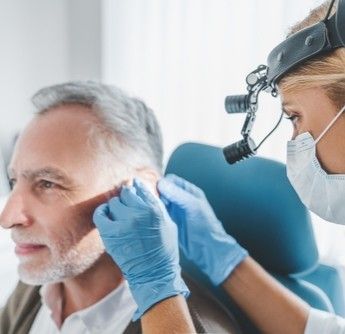
How Test Results Help Guide Hearing Aid and Care Decisions
Hearing test results are the foundation for personalized hearing care. They help us determine whether hearing aids are appropriate and, if so, what style and technology level may best support your communication needs. The results also help us program hearing aids to match your specific hearing pattern.
A hearing aid recommendation may be based on factors such as:
• The type and degree of hearing loss.
• Whether one or both ears are affected.
• Your ability to understand speech.
• Your daily listening environments.
• Your comfort with technology.
• Your hearing goals and priorities.
• Your budget and long-term care needs.
For some patients, the right next step may be a hearing aid evaluation and fitting. For others, it may be monitoring hearing over time, adjusting current devices, cleaning or repairing hearing aids, or using hearing protection to help prevent additional damage from noise exposure. A hearing test helps us recommend the most appropriate path.
If you already wear hearing aids, updated testing is still important. Hearing can change over time, and hearing aids may need to be reprogrammed to match your current needs. If your devices are not performing the way they used to, the issue may be related to changes in your hearing, device settings, maintenance needs, or the age of the technology. An evaluation gives us the information needed to make informed adjustments or discuss new options.
We believe hearing care should be clear, comfortable, and personal. Our team takes time to answer questions and explain recommendations so you can make decisions with confidence. A hearing test is not just about identifying hearing loss. It is about understanding how you hear, what support may help, and how we can help you stay connected to the people and moments that matter.
Frequently Asked Questions About Hearing Tests
What is the difference between a hearing screening and a hearing test?
A hearing screening is a quick check that can indicate whether further evaluation may be needed. A hearing test is more complete and provides detailed information about your hearing ability, speech understanding, and possible treatment options.
How long does a hearing test appointment take?
Appointment length can vary depending on your needs, history, and questions. We take the time needed to complete testing, review your results, and explain recommendations clearly.
Does a hearing test hurt?
No. A hearing test is comfortable and noninvasive. You will listen to sounds and speech and respond when you hear them.
Do I need a hearing test if I only have trouble in noisy places?
Yes. Difficulty hearing in background noise is one of the most common signs of hearing changes. A hearing test can help determine why those situations are challenging.
Will I need hearing aids after my hearing test?
Not everyone who has a hearing test needs hearing aids. If hearing aids may help, we will explain why and review options. If they are not needed, we will discuss any appropriate monitoring or follow-up care.
Can a hearing test help if I already wear hearing aids?
Yes. Updated testing helps us understand whether your hearing has changed and whether your current hearing aids need adjustment, service, or replacement.
How often should adults have their hearing tested?
Adults should schedule a hearing test when they notice changes, have concerns, or are encouraged by loved ones to be evaluated. Current hearing aid users may also benefit from periodic testing to keep their care plan up to date.
What should I bring to my appointment?
Bring your current hearing aids if you wear them, a list of medications if relevant, and any questions or concerns you want to discuss. It may also be helpful to bring a family member or trusted friend.
Schedule a Hearing Test With Padgett Hearing Aid Center
If you are ready for a more complete understanding of your hearing, we invite you to schedule a hearing test with Padgett Hearing Aid Center. Our appointment-based approach gives us time to learn about your concerns, complete a detailed evaluation, review your results, and discuss treatment options that fit your needs. Whether you are noticing hearing changes for the first time or looking for updated guidance, we are here to help you take the next step with clarity and confidence.
Call us today to schedule your hearing test appointment.