
HEARING AID OPTIONS
Hearing Aids for Clearer Hearing and Better Daily Communication
Hearing aids can make everyday communication feel easier, more natural, and more enjoyable. At Padgett Hearing Aid Center, we understand that hearing loss affects more than how loudly you hear. It can affect conversations with family, confidence in social settings, performance at work, safety in public places, and the simple enjoyment of sounds that make life feel full. Our goal is to help you take the next step with clarity, comfort, and professional support.
Modern hearing aids are designed to do much more than make sounds louder.
Today’s devices are built to help the brain receive clearer sound information, especially in the listening environments that matter most to you. Whether you are trying to follow a conversation in a restaurant, hear the television at a comfortable volume, communicate with a loved one, or stay engaged during meetings and community events, the right devices can help improve your daily quality of life.
We also know that choosing hearing aids can feel overwhelming at first. There are different styles, technology levels, features, brands, and fitting options to consider. That is why we focus on making the process approachable and personalized. We take time to understand your hearing needs, explain your options in clear language, and recommend solutions that fit your lifestyle, preferences, and budget.

How Hearing Aids Improve Speech Clarity and Listening Confidence
One of the most common reasons patients seek help is difficulty understanding speech. Many people can hear that someone is talking but struggle to make out the words, especially when there is background noise. This can lead to frustration, repeated requests for clarification, and withdrawal from conversations. Hearing aids are designed to help improve access to speech sounds so communication can become less tiring and more rewarding.
With properly selected and professionally fit hearing aids, many patients notice improvements in situations such as:
• Conversations with family and friends
• Listening in small groups
• Hearing in restaurants and social gatherings
• Watching television at a more comfortable volume
• Participating in work meetings or church services
• Hearing environmental sounds, such as doorbells, alarms, traffic, and birds
Better hearing can also support greater confidence. When you are not constantly working to fill in missing words, you may feel more comfortable joining conversations, answering questions, and staying involved. Hearing aids do not restore normal hearing, but they can make speech and surrounding sounds more accessible. With consistent use and proper follow-up care, many patients become more comfortable wearing their devices throughout the day.
It is also important to understand that better hearing is a process. Your brain may need time to adjust to sounds it has not heard clearly in a while. Everyday noises may seem more noticeable at first, but this is often part of the adjustment period. We help guide you through this process with realistic expectations, professional programming, and ongoing support.
Modern Hearing Technology Designed for Comfort and Convenience
Today’s hearing aids are smaller, more comfortable, and more advanced than many people expect. Some devices are discreet and sit almost completely inside the ear, while others rest comfortably behind the ear with slim tubing or a small wire. Many styles are designed to be lightweight, secure, and easy to wear throughout the day.
Modern technology also allows hearing aids to adapt to different listening environments. Depending on the devices selected, features may help reduce background noise, focus on speech, manage feedback, and provide a more balanced listening experience. These features can be especially helpful for people who move between quiet settings, busy rooms, outdoor environments, and one-on-one conversations.
Many patients are also interested in convenience features. Depending on your needs and the model recommended, hearing aids may include:
• Rechargeable batteries for simple overnight charging
• Bluetooth connectivity for phone calls, music, and media streaming
• Smartphone app controls for volume and program adjustments
• Directional microphones to help focus on speech
• Noise management for more comfortable listening in busy places
• Feedback reduction to help reduce whistling sounds
• Tinnitus support features for certain patients
• Moisture-resistant designs for daily durability
Rechargeable hearing aids are especially appealing for patients who do not want to manage small disposable batteries. Bluetooth-compatible devices can also make communication easier by sending phone calls or audio directly to the hearing aids. While not every feature is necessary for every patient, the right combination can make your devices more useful and easier to incorporate into your routine.
Styles, Features, and Technology to Consider Before You Buy
Hearing aids are not one-size-fits-all devices. The best option depends on your hearing test results, ear anatomy, dexterity, cosmetic preferences, technology needs, and daily listening environments. During your appointment, we help you compare your options so you can make an informed decision.
Common hearing aid styles include:
• Behind-the-ear hearing aids: These devices sit behind the ear and connect to an earmold or earpiece. They can be a good option for a wide range of hearing needs.
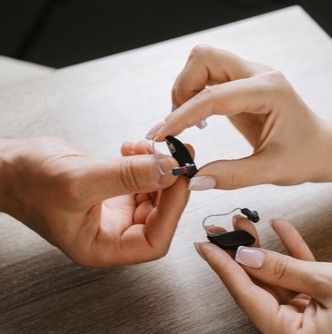
• Receiver-in-canal hearing aids: These are popular, discreet devices with a small component behind the ear and a thin wire leading to the ear canal.
• In-the-ear hearing aids: These custom devices fit in the outer portion of the ear and may be easier for some patients to handle.
• In-the-canal hearing aids: These custom devices sit partly in the ear canal and may offer a more discreet appearance.
• Completely-in-canal hearing aids: These are among the smallest styles and may be appropriate for certain types of hearing loss and ear shapes.
Technology level is another important consideration. Some patients mainly need support in quieter, one-on-one conversations, while others need advanced performance in restaurants, meetings, group settings, or active social environments. A patient who streams phone calls throughout the day may value connectivity features, while another patient may prioritize simplicity and ease of use.
Before choosing hearing aids, we encourage you to consider:
• Where you have the most trouble hearing
• How often you are in background noise
• Whether you want rechargeable or disposable batteries
• Whether you want Bluetooth or smartphone controls
• How comfortable you are handling small devices
• Whether a discreet appearance is important to you
• What type of maintenance routine feels realistic
• What budget range you are comfortable with
The right hearing aids should match both your hearing needs and your lifestyle. Our role is to help you understand what each option offers and how it may perform in your daily life.
Choosing the Right Devices for Your Hearing Needs and Lifestyle
Choosing hearing aids begins with understanding your hearing. A hearing screening or evaluation helps identify the type and degree of hearing loss you may have. From there, we can explain which devices may be appropriate and why. This personalized approach is important because two people with similar hearing concerns may still need different solutions.
At Padgett Hearing Aid Center, we take time to listen to your concerns. We want to know when hearing feels difficult, what situations matter most to you, and what you hope to improve. Some patients want to hear grandchildren more clearly. Others want to feel more confident at work, enjoy church services, participate in conversations at family gatherings, or stop turning the television up so loudly. These details help us recommend hearing aids that are practical and meaningful for your daily life.
Professional fitting is also essential. Once hearing aids are selected, they must be programmed to your hearing needs. Proper programming helps ensure sounds are clear, comfortable, and appropriate for your hearing loss. Follow-up visits allow us to make adjustments as you adapt, answer questions, and help you get the most benefit from your devices.

Why Professional Guidance Matters When Choosing Hearing Aids
Buying hearing aids is not only about selecting a device. It is about receiving the right care before, during, and after the fitting. Professional guidance helps ensure your hearing aids are appropriate for your hearing loss, fit comfortably, and are adjusted for the environments where you need the most help.
When you work with our team, we can help you:
• Understand your hearing results
• Compare hearing aid styles and technology levels
• Choose features that match your daily routine
• Make sure your devices fit comfortably
• Learn how to insert, remove, clean, and charge or change batteries
• Adjust to wearing hearing aids over time
• Receive maintenance, cleaning, and repair support when needed
This support can make a meaningful difference in your overall experience. Hearing aids require personalization, and your needs may change as you adapt to them. We are here to help you through that process so you feel informed, comfortable, and confident.
We also help patients understand realistic expectations. Hearing aids can provide significant benefits, but they work best when they are worn consistently and properly maintained. We will show you how to care for your devices, schedule follow-up care when appropriate, and make adjustments if certain sounds feel too loud, too soft, or unclear.
Frequently Asked Questions About Hearing Aid
How do I know if I need hearing aids?
You may benefit from hearing aids if you often ask people to repeat themselves, have trouble understanding speech in noise, turn the television up louder than others prefer, or feel like people are mumbling. A hearing screening or evaluation can help determine whether hearing aids are recommended.
Are hearing aids difficult to get used to?
There is usually an adjustment period. Sounds may seem different or more noticeable at first, especially if you have had untreated hearing loss for a while. With consistent use, proper programming, and follow-up adjustments, many patients become more comfortable over time.
Which hearing aid style is best?
The best style depends on your hearing needs, ear shape, comfort preferences, dexterity, cosmetic goals, and lifestyle. We will help you compare options and recommend devices that fit your individual situation.
Do all hearing aids have Bluetooth?
Not all hearing aids include Bluetooth, but many modern devices do. Bluetooth can allow you to stream phone calls, music, and other audio directly to your hearing aids, depending on the model and your smartphone compatibility.
Are rechargeable hearing aids a good option?
Rechargeable hearing aids are a convenient choice for many patients. They reduce the need to handle small disposable batteries and can usually be charged overnight for daily use. We can help determine whether rechargeable technology is right for you.
How often should hearing aids be cleaned?
Hearing aids should be cleaned regularly at home according to your care instructions. Professional cleanings are also helpful because they allow us to check the devices, remove buildup, and make sure they are working properly.
Can hearing aids help in restaurants or noisy places?
Hearing aids can help improve listening in noisy environments, especially when they include features such as directional microphones and noise management. Results vary by hearing loss, technology level, environment, and proper fitting.
How long do hearing aids last?
Many hearing aids last several years with proper care and maintenance. Lifespan can depend on the device style, technology, moisture exposure, cleaning habits, and changes in your hearing needs.
What happens during a hearing aid fitting?
During a fitting, your hearing aids are programmed for your hearing needs and comfort. We also show you how to wear, use, clean, and care for them. Follow-up appointments may be scheduled to fine-tune the settings.
Why should I choose Padgett Hearing Aid Center for hearing aids?
We provide personalized guidance, professional fitting, and ongoing support. Our team helps you understand your options, choose appropriate technology, and feel confident using your hearing aids in daily life.
Ready to Learn More About Hearing Aids?
If you are considering hearing aids for yourself or a loved one, we invite you to schedule an appointment with Padgett Hearing Aid Center. We will take the time to understand your concerns, evaluate your hearing needs, and explain your options in a clear and professional way. Our goal is to help you choose hearing aids that feel comfortable, support your lifestyle, and help you reconnect with the conversations and sounds that matter most. Contact us today to get started.