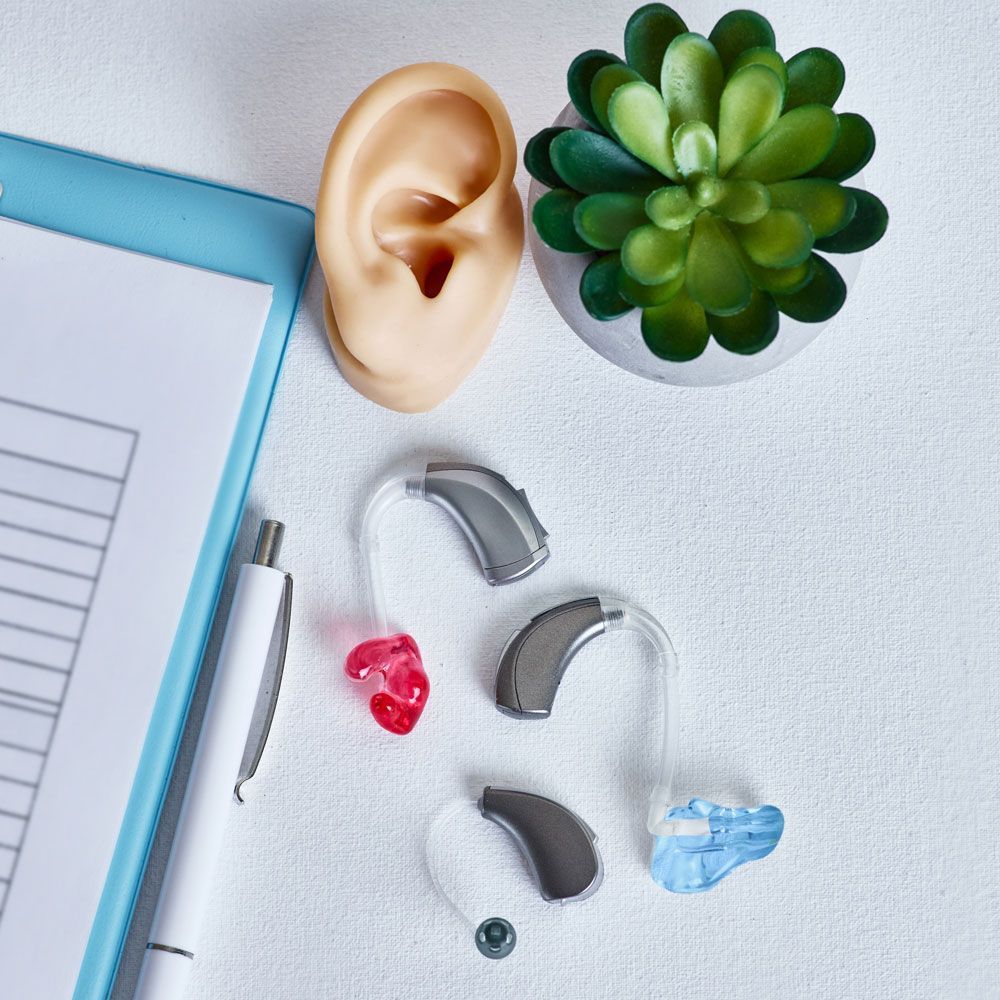
Somewhere between noticing that you keep asking people to repeat themselves and deciding to do something about it, most people pause. Maybe it is a little embarrassment, a worry about cost, or a quiet thought that you could simply order something online and be done. That pause is natural. What waits on the other side is worth weighing: catching every laugh from your grandkids and following a dinner-table conversation without strain. The hearing aid fitting process is what turns a device sitting in your ear into one that genuinely works for your life, and the gap between those two outcomes is bigger than most people expect.
At Padgett Hearing Aid Center , we have helped neighbors across Texas hear better since 1979. Here is why personalization matters, what research says about self-fitting, the protections Texas puts behind licensed professionals, and what a real appointment looks like from the first check to the follow-up visits.
Key Takeaways Before You Choose
- Every ear canal and every hearing loss is different, so a device set to an average will rarely sound as clear as one set to you.
- A secure, comfortable fit is part of performance. Soreness, whistling, and a device that slips out all reduce how much you wear it.
- Over-the-counter devices can work well for some adults with mild to moderate loss. Professional fitting matters most for more complex loss and ongoing support.
- In Texas, licensed fitters and dispensers work under state rules that include supervision standards and a $10,000 financial security requirement.
- The first fitting is rarely the last adjustment. Follow-up visits are a planned part of getting it right.
How the Hearing Aid Fitting Process Matches Sound to Your Ears
A hearing aid has three basic parts: a microphone, an amplifier, and a speaker. The National Institute on Deafness and Other Communication Disorders (NIDCD) explains that digital models convert sound into numerical codes before amplifying it, so a professional can program the device to boost some pitches more than others and to focus on sound from a specific direction. That flexibility is only as good as the information used to set it, which is why the fitting itself matters as much as the device.
Every Ear Canal Is Different
Ear canals vary in length, width, and shape, and those differences change how sound bounces, resonates, and travels to the eardrum. A device that works beautifully for one person can produce whistling, muffled speech, or an overwhelming wall of background noise for someone else. A trained specialist looks at how the device sits in your specific ear, whether the seal and placement are right, and whether the amplified sound is clean and free of feedback.
Hearing Loss Is Rarely Even Across Pitches
Most people do not lose hearing evenly. One person may miss the high-pitched consonants such as "s" and "f," while another struggles more with mid-range speech sounds. A device programmed for your results amplifies the pitches where your hearing has dropped instead of making everything louder. You can read more about the causes and types of hearing loss to see why patterns differ so much from person to person.
Why Louder Is Not the Same as Clearer
Turning up sounds you already hear well does not help you understand speech. It adds strain, and strain leads to listening fatigue, that drained feeling after a long day of working to follow conversations. When settings match your hearing profile, your brain spends less effort sorting speech from noise, and conversation starts to feel natural again. If you would like to see what is possible, you can explore modern devices and styles before your visit.
Physical Comfort and Security in Daily Life
Think of the difference between a tailored suit and one pulled off the rack in roughly your size. The rack version covers the basics but pulls in the wrong places and reminds you it is there every time you move. A properly fitted hearing aid should fade into your day: something you put in and forget, not something you adjust and worry about. A poor fit does more than cause discomfort. It brings a low-level anxiety. Will it slip out at the community center? Will it whistle during the service? Will my ear be sore by noon?
Fit adjustments answer those worries by matching the device to your ear. The benefits are practical and immediate:
- Less soreness: a better fit keeps the ear canal free of irritation, especially if you wear your devices for long stretches.
- Greater security: the device stays put during head movements, outdoor walks, and busy gatherings.
- A natural feel: a lightweight, comfortable fit helps you forget you are wearing it.
- Protection for your investment: a secure device is less likely to slip out and get lost or damaged.
Signs Your Current Fit Needs Attention
Whistling often points to a fit problem or to earwax or fluid clogging the device, according to NIDCD. Soreness, a device that works its way loose, or sound that seems muffled are also worth a visit. Routine professional cleaning keeps openings clear, and a quick adjustment often solves what feels like a bigger problem.
If you have been thinking about a first step, the simplest one is a thorough check of your hearing. You can schedule a thorough check of your hearing with a specialist who will take the time to understand your hearing, your lifestyle, and what you want back. We move at your pace, and you will never feel rushed or pressured.
What Does Research Say About Self-Fitting and Professional Support?
The choices have widened in recent years. NIDCD describes over-the-counter hearing aids as a newer category that adults can buy directly, without visiting a hearing health professional, intended for perceived mild to moderate hearing loss. Prescription hearing aids come from a professional who programs them for your degree of hearing loss, and NIDCD notes that prescription devices or other options may be necessary for more significant or complicated loss.

The research on self-fitting is encouraging, and it is fair to say so. In a 2024 follow-up published in JAMA Otolaryngology , adults with mild to moderate hearing loss who fit their own over-the-counter devices reported benefit comparable to a group fitted by audiologists after eight months. It was a small study of 44 people, and the audiologist group also received support and fine-tuning. So self-fitting can work for some adults, and the study does not suggest that fitting and follow-up support never matter.

When Professional Fitting Makes the Biggest Difference
A professional fitting is worth the most in situations like these:
- Your hearing loss is beyond the mild to moderate range, or it differs noticeably between ears.
- You want the sound checked and verified for your own ear rather than set from a generic profile.
- Comfort has been a problem, such as soreness, whistling, or a device that will not stay in.
- You want a person to adjust the device as your hearing and routines change.
- You want help with companion features such as a television streamer or smartphone app.
If you notice a sudden change in your hearing, ear pain, drainage, or dizziness, see a medical professional promptly rather than waiting.
Legal and Regulatory Protections Behind Professional Fitting in Texas
In Texas, fitting and dispensing hearing instruments is a regulated professional service. The Texas Department of Licensing and Regulation (TDLR) oversees licensed hearing instrument fitters and dispensers, including training and supervision standards and a financial security requirement. These rules exist because an improperly fitted or improperly sold device carries real consequences for the person wearing it.
Training and Supervision Standards
A licensed supervisor may not supervise more than two temporary training permit holders at one time, and the supervisor is ultimately responsible for the services those trainees provide to clients. When supervision ends, the supervisor must notify TDLR and the permit holder in writing within ten days. An apprentice permit holder must work under direct or indirect supervision of a license holder for at least one year. In practice, that means the person adjusting your devices is either fully licensed or working under someone who is accountable for the result.
Financial Security and Your Right to Recourse
Every business engaged in fitting and dispensing hearing instruments in Texas must file $10,000 in financial security with the state, in the form of a surety bond, cash deposit, certificate of deposit, or letter of credit. An insurance policy does not qualify. The security is conditioned on paying taxes owed and judgments the business may be required to pay for negligently or improperly dispensing hearing instruments or for breaching a contract related to dispensing. State law also lets a purchaser rescind a purchase and recover funds in certain situations set out in the Texas Occupations Code.

Federal rules apply as well. Licensed fitters, dispensers, apprentices, and trainees in Texas must follow Title 21 of the Code of Federal Regulations, sections 801.420 and 801.421, which cover professional and patient labeling and the conditions for sale of hearing aids. When you work with a licensed professional, you are stepping into a relationship that Texas has built accountability around.
"Thank you for being so persistent! It’s been a couple of weeks now and absolutely no discomfort. The left aid seats easily without lubricant, while the right fits fine, but seats easy with lubricant. The TV setting works perfectly. First time in years my wife and I can listen with clarity. For product and service, 5 stars aren’t enough! Thanks again."
Pat A., Padgett Hearing Aid Center patient
You can read more patient success stories from people who found the right fit.
What to Expect at a Personalized Fitting Appointment
Many people picture a fitting as clinical and hurried: a quick check, a stack of paperwork, and a device handed over with a pamphlet. A good appointment feels closer to a relaxed conversation with someone who wants to understand how you live.
What Happens During the Hearing Aid Fitting Process
While every appointment is tailored to the person, the flow usually looks like this:
- Comfort and seal check: the specialist checks how the device sits in your ear and whether the seal and placement are right.
- Programming to your results: computer-based tools set the amplification to your hearing results instead of a generic preset.
- Hands-on training: you practice inserting and removing the device, cleaning it, and changing batteries or charging it. Ask about rechargeable options if daily battery changes sound tedious.
- Companion features: you learn how to use any television streamer or smartphone app.
- A follow-up plan: you leave with a clear idea of when to return for fine-tuning.
No one expects you to absorb everything in one sitting. A good specialist moves at your pace, repeats what needs repeating, and makes sure you leave feeling confident rather than overwhelmed. Our professional fitting service is built around that approach.
Already Wearing Hearing Aids but Struggling?
You do not have to start over. We make adjustments to devices from multiple manufacturers, including ones you did not buy from us. If yours whistle, sound muddled, or feel uncomfortable, bring them in. For devices that have stopped working properly, our repair service can help. Getting comfortable and clear should not require buying something new.
Adapting to Your New World of Sound
The first days with a newly fitted device can feel strange. Sounds that were muffled for years, such as the refrigerator hum, rustling leaves, or the sound of your own voice, return with surprising vividness. That is not a malfunction. It is your brain getting used to sound it has been missing, and a few habits make it smoother.
Habits That Make the First Weeks Easier
- Start in quiet spaces: begin in a familiar room such as your living room before moving to restaurants or community events.
- Build up slowly: wear the devices a few hours a day at first and add time as you become comfortable.
- Take notes: jot down sounds that feel too loud, sharp, or muffled so your specialist can make precise adjustments.
- Be patient with yourself: adapting is gradual, not an overnight switch.
Adapting is an ongoing routine of maintenance and small adjustments, not a single event. That is why local follow-up matters. With offices in Brenham, Bastrop, Katy, and Texarkana, you are never far from someone who knows your history, and our ongoing hearing care covers cleaning, adjustments, and routine checks.
Frequently Asked Questions About the Hearing Aid Fitting Process
Do I need a personalized fitting if I buy over-the-counter hearing aids?
Over-the-counter devices are designed for adults with perceived mild to moderate hearing loss, and research shows many people with that level of loss do well with self-fit devices. A professional fitting adds value when your loss is more significant or complicated, when you want the sound verified in your own ear, or when you want hands-on help with comfort, adjustments, and follow-up care.
What federal regulations protect me when purchasing a hearing aid?
Texas licensed hearing instrument fitters, dispensers, apprentices, and trainees must comply with Title 21 of the Code of Federal Regulations, sections 801.420 and 801.421. These rules cover professional and patient labeling and the conditions for sale of hearing aids.
Can you adjust hearing aids that were purchased somewhere else?
Yes. We can make adjustments to devices from multiple manufacturers, even if you did not purchase them from us. If your current devices whistle, sound muddled, or feel uncomfortable, bring them in and let us take a look.
How long does it take to get used to a fitted hearing aid?
The physical fit should feel comfortable fairly quickly, but it often takes a few weeks to a couple of months for your brain to adapt to sounds it has not heard clearly in some time. Follow-up visits are built into the process so settings can be fine-tuned as your experience evolves.
What happens if my hearing specialist is still in training?
In Texas, temporary training permit holders and apprentice permit holders work under the supervision of a licensed professional. The supervisor is ultimately responsible for the services provided to you, whoever is in the room during your appointment.
What does the $10,000 financial security required in Texas protect?
Businesses that fit and dispense hearing instruments in Texas must file $10,000 in financial security with the state. It is conditioned on paying taxes owed and judgments for negligently or improperly dispensing hearing instruments or breaching a contract related to dispensing. State law also lets a purchaser rescind a purchase and recover funds in certain situations.
How many fitting appointments will I need?
Most people need more than one. The first appointment sets up the device, and follow-up visits fine-tune it based on how it performs in your daily life. There is no fixed endpoint, and the schedule is shaped around your pace.
Start With a Conversation, Not a Sales Pitch
Hearing care done well is about relationships. It is about someone taking the time to understand not only your results but your life: the family gatherings you want to join fully, the television volume that has crept up, and the phone calls with your kids that leave you guessing at half of what was said. Our team treats every patient like a neighbor worth knowing, and you can meet our hearing care team before you come in.
Visit the office closest to you. All four share the same hours, and a simple, friendly check is all it takes to start finding out what you have been missing.
| Office | Address | Phone |
|---|---|---|
| Brenham | 103 W Alamo St | (979) 830-0865 |
| Bastrop | 1670 State Hwy 71, Suite C | (512) 522-8849 |
| Katy | 1926 Avenue D | (281) 407-6090 |
| Texarkana | 5124 Summerhill Rd | (903) 794-5839 |
Offices are open Monday to Thursday from 8:30 AM to 5:00 PM and Friday from 8:30 AM to 2:00 PM. Prefer to write first? You can reach out to our team with any questions.